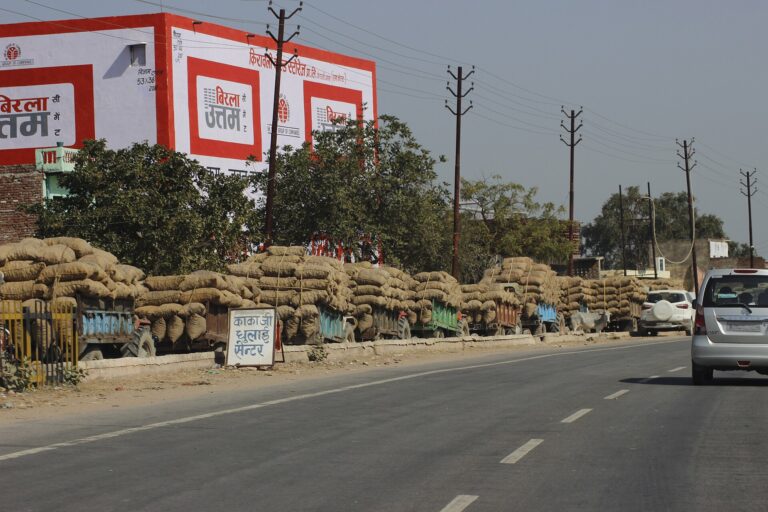
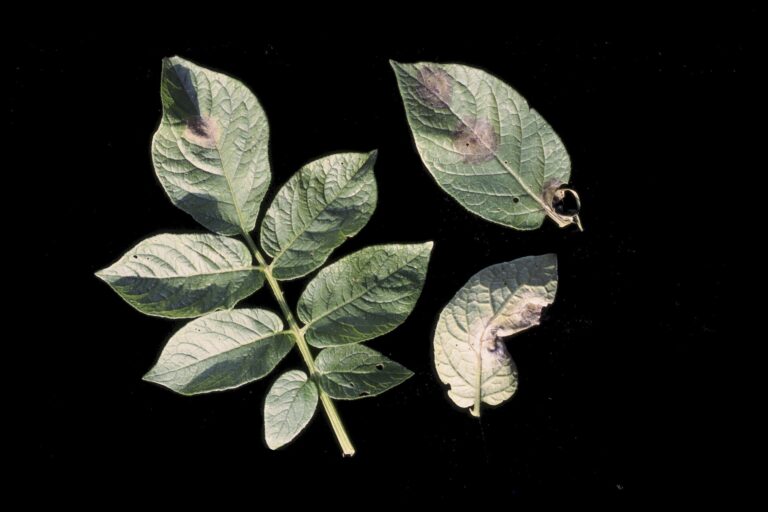
Дар поёни Амрико, Чили дар як вақт 100 тонна худкифоии картошка истеҳсол мекунад
Истгоҳи Кампенайкеи INIA дар минтақаи Магалланес дар Чили беш аз 100 тонна картошкаи тухмии сертификатсияшударо истеҳсол кард, ки ба зиёда аз 200 деҳқон аз Пунта Аренас то Кейп Хорн ройгон тақсим карда шуд.
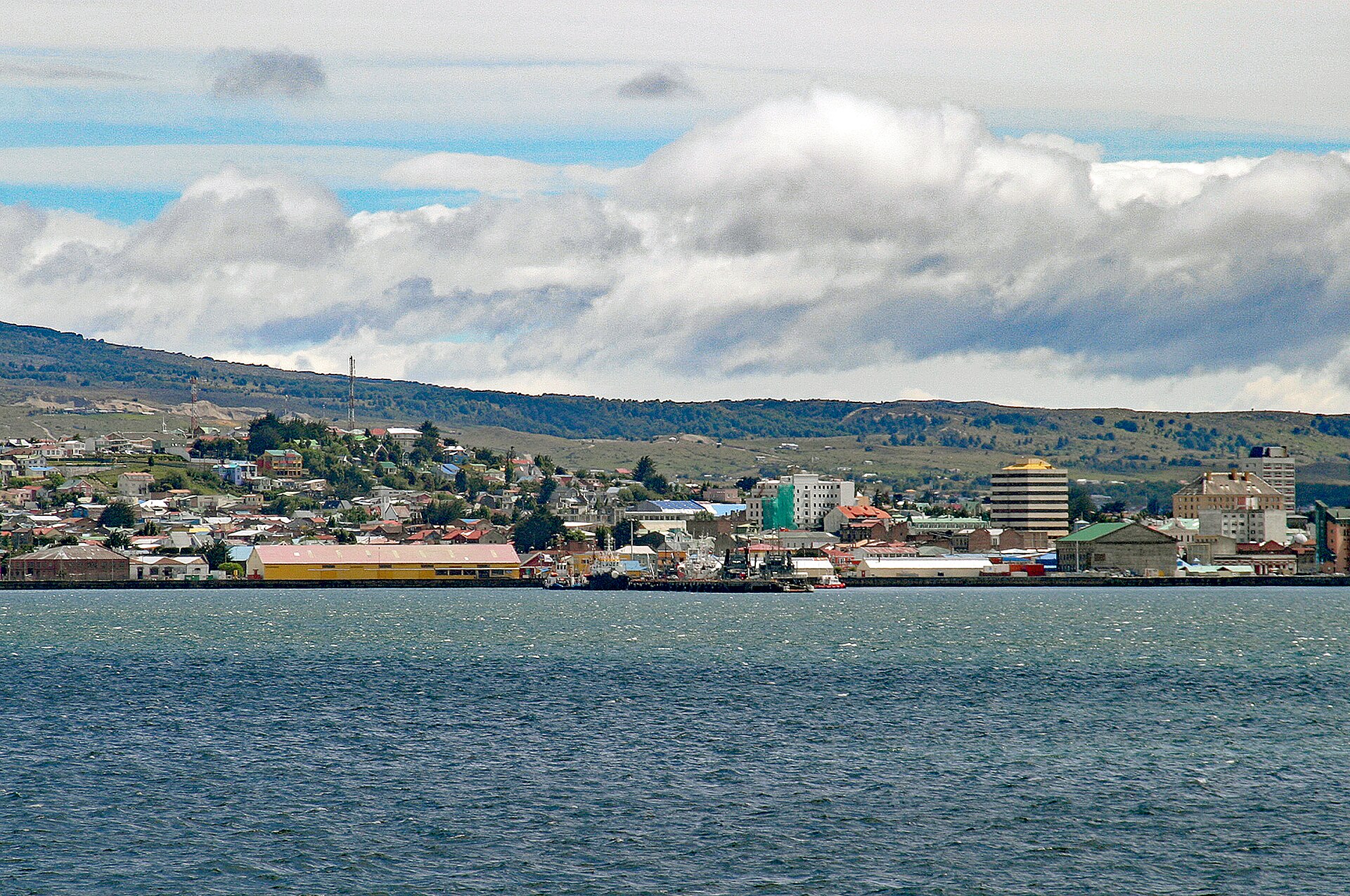
There is no cheap way to move seed potatoes to the end of the world. For growers in Magallanes — Chile’s sub-Antarctic region of short seasons and long supply lines — that logistics fact has historically meant dependence on seed shipped from the country’s centre. This month marked a break: more than 100 tonnes of certified seed potatoes produced in the region itself are being delivered free of charge to local growers, a volume described as historic for Magallanes.
The program is run by INIA, the national agricultural research institute, through its Kampenaike experimental station, with financing from the Regional Government and participation of the Agricultural and Livestock Service. Distribution in Punta Arenas alone reaches more than 200 farmers, and the program has already benefited producers across Tierra del Fuego, Última Esperanza and Cabo de Hornos — the full sweep of Chile’s far southern agriculture.
A program that keeps beating its own targets
The trajectory is striking. In mid-2025 the program targeted around 80 tonnes of certified seed for the season, distributed free; an INIA field day in May 2026 projected output above 100 tonnes; the October delivery confirms the mark was passed. Alongside volume, the program is working on varietal renewal — incorporating the Yaike and Porvenir varieties — and on agronomic trials covering plant health and irrigation.
Рӯзҳои корӣ. Бо як клик обунаро қатъ кунед.
Why certified seed matters more at the edge
Magallanes growers face the same disease pressures as any potato region, but with fewer suppliers, longer distances and a narrower planting window. Certified seed produced locally arrives acclimatized, disease-tested and free at the farm gate — removing the cost line that, in much bigger producing countries, accounts for a third of production budgets. For a region where food self-sufficiency is a stated policy goal, the seed program is the cheapest resilience money can buy.
Сарчашмаҳо: Radio Polar (17 October 2026); El Pingüino (16 October 2026); INIA (May 2026); La Prensa Austral (July 2025).